What is IVF MORE®?
We restore your eggs. We don't replace them.
IVF MORE® is an Instituto Ingenes technique that restores the quality of your own eggs, so you can pursue pregnancy with your own genetic material instead of turning to egg donation.
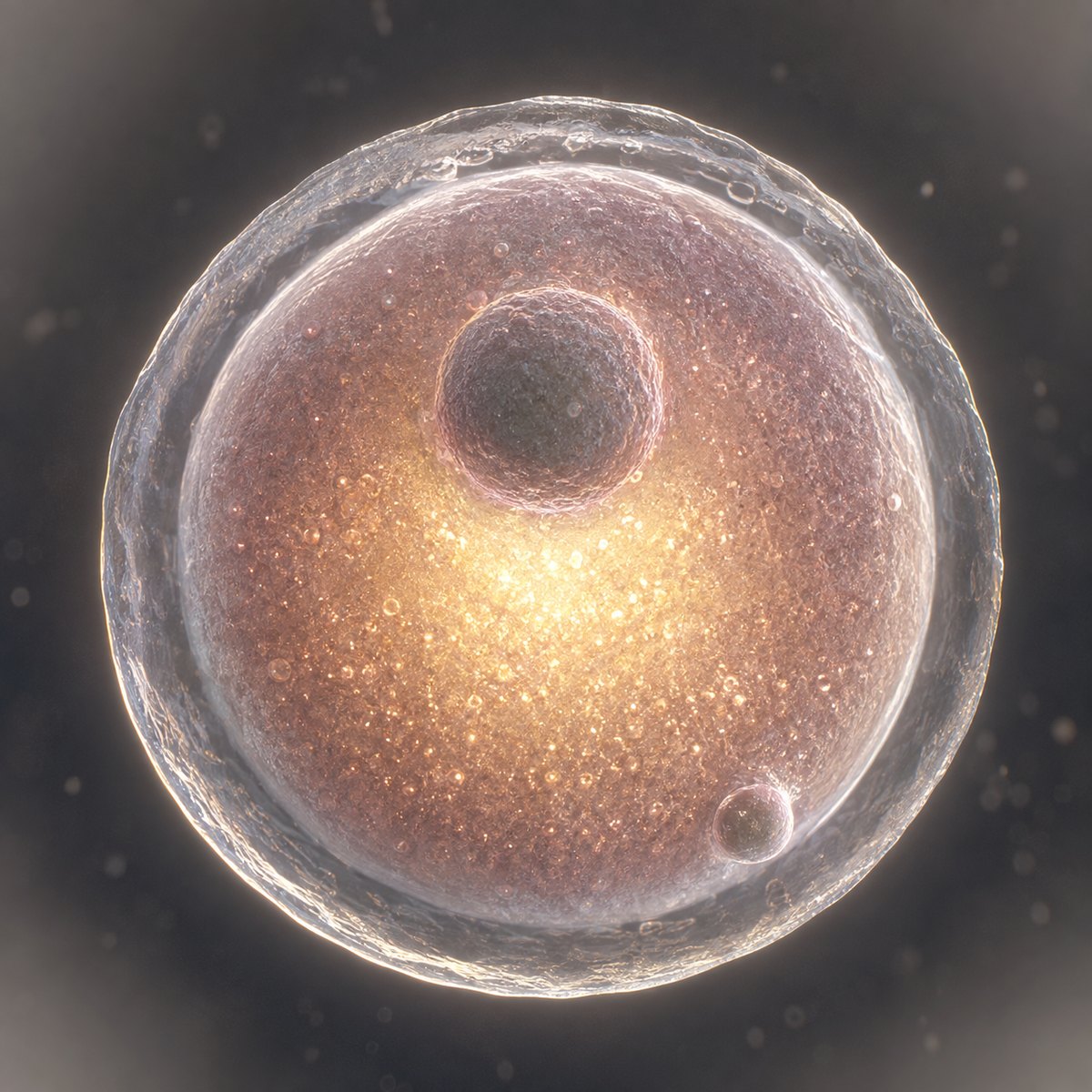
IVF MORE® (Magnetic Ovulatory Restoration) is an advanced fertility treatment that restores poor-quality eggs, particularly in women of advanced age or with endometriosis, polycystic ovary syndrome (PCOS) or repeated implantation failure.
Unlike egg donation, IVF MORE® works with your own eggs.
It improves their capacity to divide and be fertilised without altering your genetic material: a patented scientific approach that restores the egg's function while your DNA stays untouched.
Why egg quality declines
With age, or in the presence of certain conditions, eggs show:
- An energy deficit. Less ATP, which prevents proper cell division.1
- Oxidative stress that damages DNA and mitochondria.2
- A disorganised cytoskeleton, the structure that guides genetic division.
- Genetic errors that lead to abnormal embryos or implantation failure.3
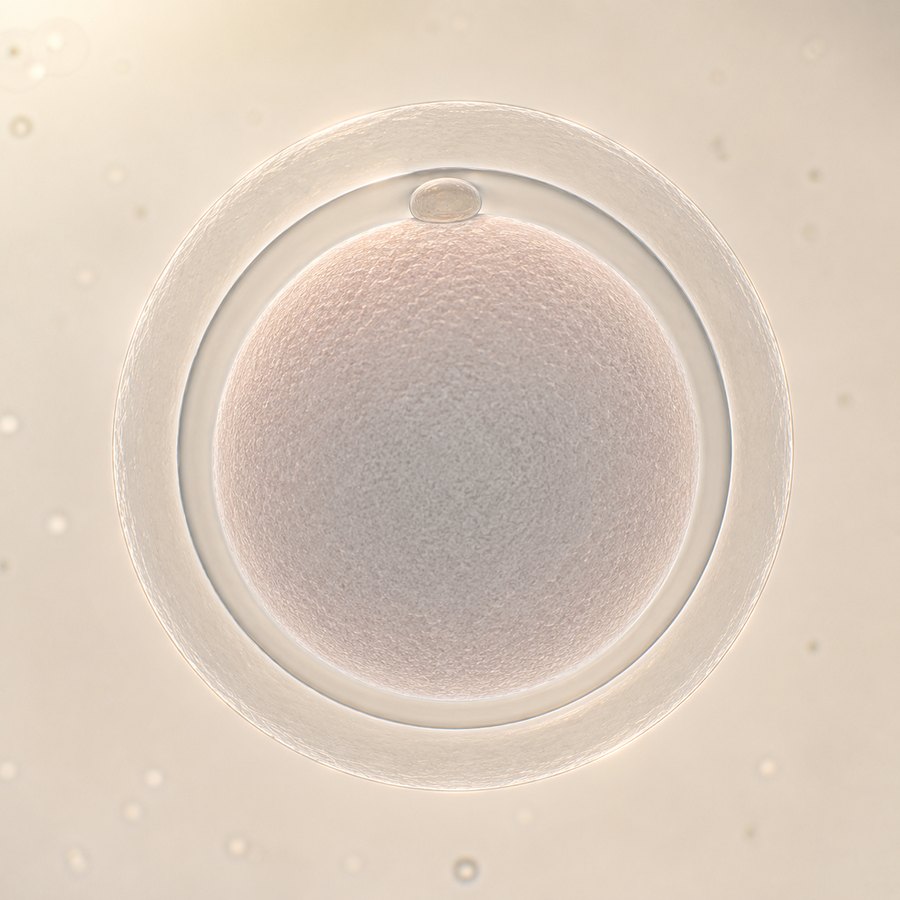
Healthy egg
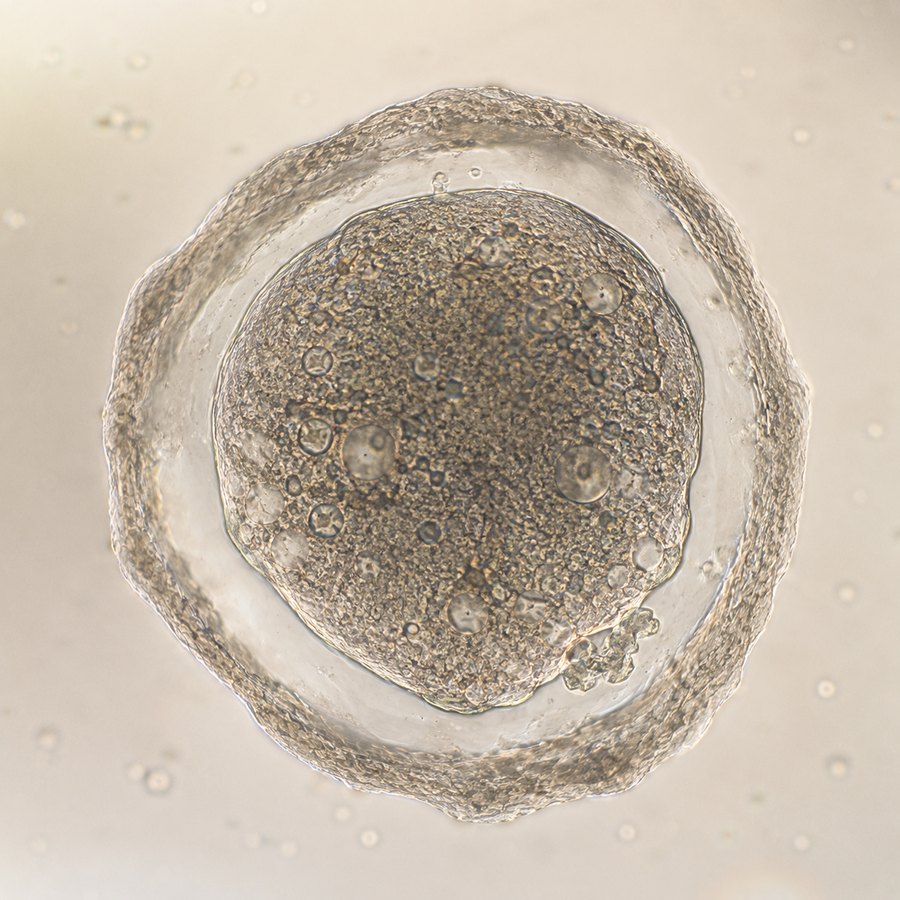
Poor-quality egg
Together these raise the risk of early miscarriage and make pregnancy harder to achieve. It is a question of quality, not only of quantity: a woman is born with up to two million eggs, retains around 5% of that reserve by 30 and close to 1% by 40, and many of the remaining ones carry metabolic and structural changes.
As age advances, oocytes turn darker, more granular and harder in their shell (zona pellucida), and fertilisation and good embryo development get progressively harder to achieve.
Age and fertility: why this matters now
Over the past decades, women’s reproductive profiles have changed radically. More and more women choose to postpone motherhood for social, professional and personal reasons:
- Wider access to education and to professional careers.
- Seeking economic and emotional stability before starting a family.
- Shifts in traditional family models and in gender roles.
- Advances in reproductive technology that widen the fertility window.
Across Latin America, Europe and Asia, the average age at first pregnancy has moved from 25 to over 30 in just two generations. Reproductive biology has not kept pace: female fertility still depends on ovarian age.13
What that costs in fertility
- 1 in 6couples face difficulty conceiving
- +50%of female infertility is tied directly to ovarian ageing
- +75%of eggs may carry chromosomal abnormalities at 40
- <5%chance of natural pregnancy per cycle at that age
Without medical intervention, time becomes fertility’s greatest enemy.
A problem that is already demographic
Postponing motherhood does not only affect individuals. The demographic consequences are visible across much of the world, with birth rates below population replacement level:
- According to the World Health Organization, 1 in 6 people worldwide face fertility problems.14
- In countries such as Italy, South Korea and Japan, birth rates are among the lowest on the planet, threatening the sustainability of economic and social systems.
- In Latin America, fertility rates have fallen by more than 50% since 1960.
This scenario demands innovative medical solutions to preserve and restore fertility in women who, for many reasons, cannot conceive earlier in life.
The answer to the new reproductive reality
IVF MORE® is a direct response to that challenge. It is not one more fertility treatment: it is an advanced egg restoration technique that improves egg quality without altering its genetic load. Unlike egg donation, it preserves the patient’s genetic identity even when her eggs show low metabolic or structural capacity.
Thanks to this technology in development:
- Women of advanced age can access restored eggs with greater potential for fertilisation, embryo development and pregnancy.
- The need to turn to egg donation is reduced, particularly where viable eggs are still available.
- The outlook improves in complex diagnoses such as endometriosis, polycystic ovary syndrome or repeated implantation failure.
- The effects of ovarian ageing, one of the main barriers in contemporary female fertility, are mitigated.
What an egg needs to make a viable embryo
To form a healthy embryo, an egg has to meet three conditions at once: enough cellular energy to divide, an intact cytoskeleton to organise its chromosomes, and the right genetic signalling to direct its own development. In aged eggs, anaerobic pathways take over, producing energy inefficiently and accumulating toxic waste.1
The distinction that defines the technique sits inside the cell:
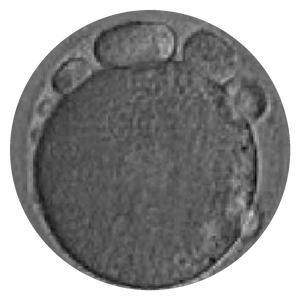
Poor oocyte quality
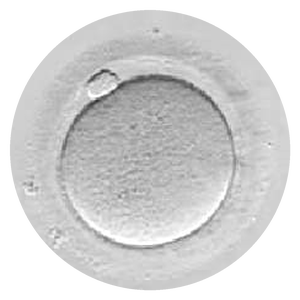
Restored egg
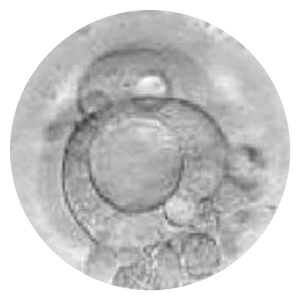
Egg left unrestored
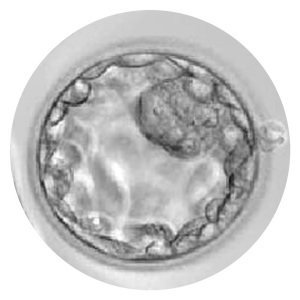
Blastocyst viable for transfer
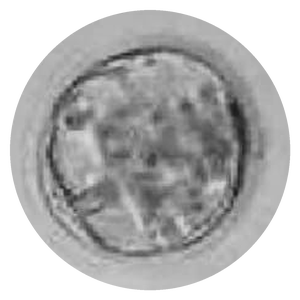
Non-viable blastocyst or arrested embryo
Diagram
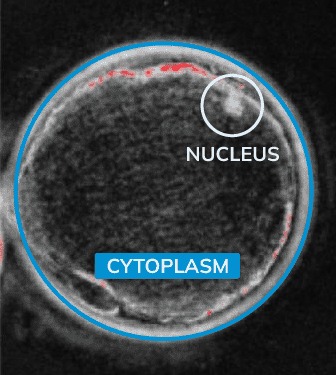
Under the microscope
-
Nucleus
Holds your genetic material: the chromosomes you pass on. IVF MORE® never touches it. The embryo is genetically yours.
-
Cytoplasm
The rest of the cell: mitochondria, energy factors and the machinery that lets the egg divide. This is what ages, and this is what the technique restores.
How IVF MORE® works
The treatment runs in tightly controlled laboratory phases:
-
01
Oocyte metabolic diagnosis
Eggs are retrieved and assessed for energy competence and mitochondrial function. Mitochondria, the cell's power plants, supply the ATP and NADPH that indicate whether an egg can generate the energy it needs.
-
02
Cytoplasmic restoration
Metabolic and mitochondrial factors are infused using equipment built for this technique, which optimises mitochondrial function, improves energy production and lowers oxidative stress.4 If the egg's own cytoplasm is not suitable, cytoplasm from a compatible donor egg may be used, again without altering the patient's nuclear DNA.
-
03
Fertilisation and optimised culture
Restored eggs are fertilised with the best sperm, selected through techniques such as PICSI or ICSI, and cultured under controlled conditions.
-
04
Culture in magnetic fields
The cytoskeleton has to be organised for cell division to be accurate. In aged or poor-quality eggs it is weakened. Magnetic fields are used to support that structure during culture.5
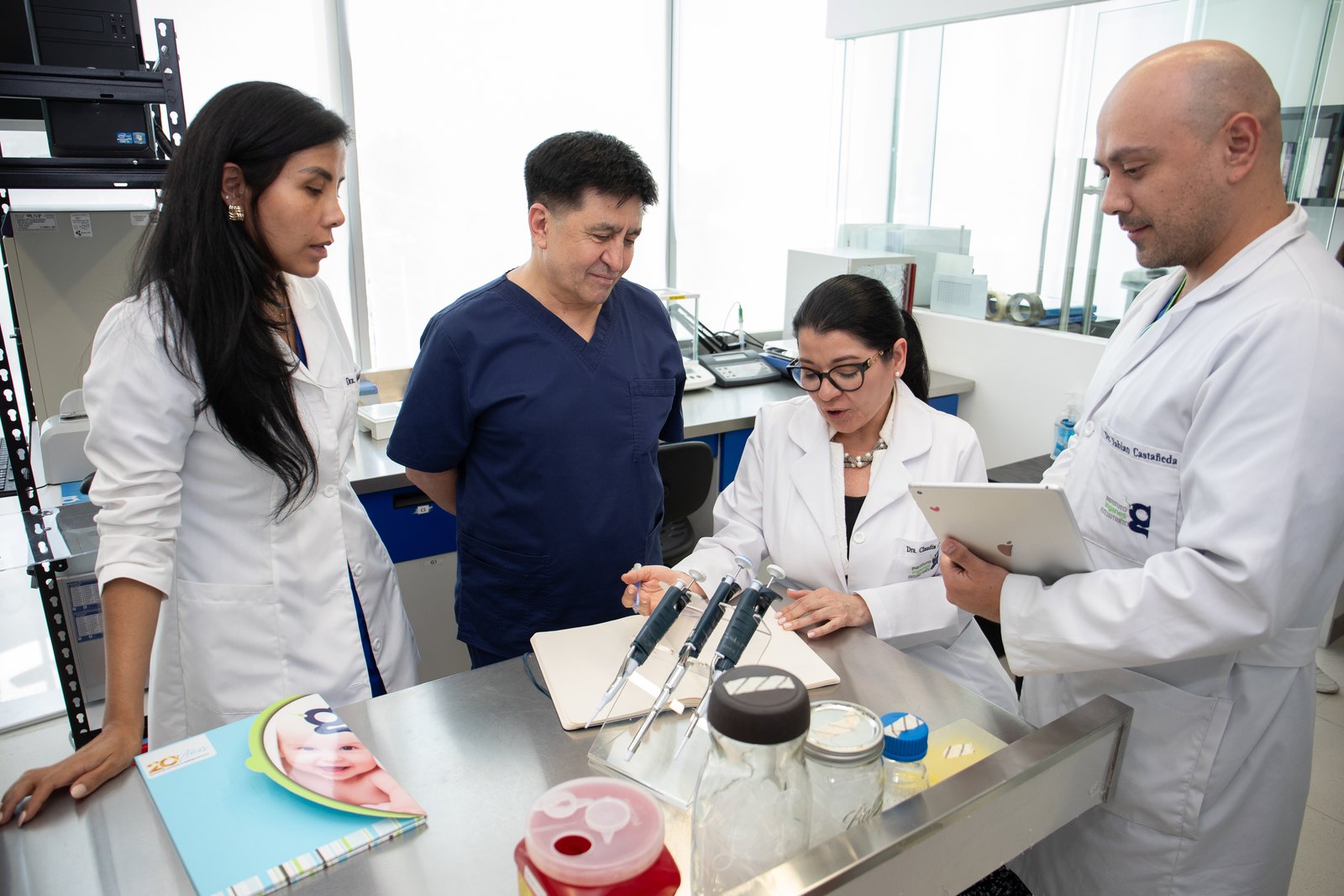
The technique is Dr. Shoukhrat Mitalipov’s, of the Center for Embryonic Cell and Gene Therapy in Oregon, a world leader in mitochondrial biology.6 He travelled to Mexico City to train the Ingenes embryology team himself, and they are the ones who carry out each treatment.
Egg retrieval for IVF MORE® has to take place in the specialised Ingenes laboratory in Mexico City.
How it helps prevent genetic errors
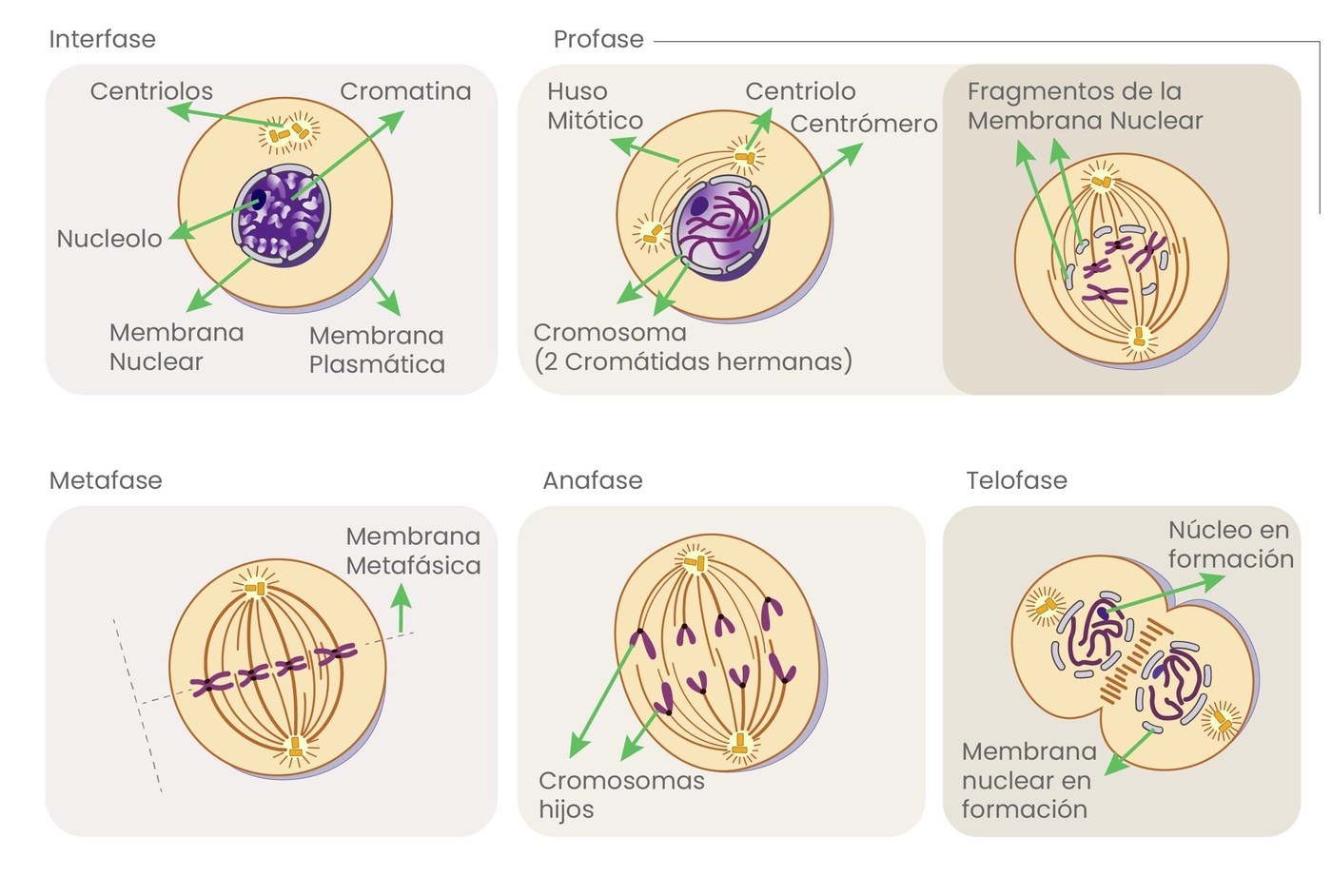
Two structures decide whether chromosomes are distributed correctly. The cytoskeleton is the egg’s internal scaffold. The meiotic spindle forms from it and aligns the chromosomes at fertilisation.
When an egg is of poor quality, the cytoskeleton loses its organisation, the spindle becomes unstable, and division comes out unbalanced. The consequence is errors in chromosomal distribution: trisomies such as Down syndrome, monosomies such as Turner syndrome, or embryos that are not viable.3
Poor-quality egg
The cytoskeleton loses its organisation, the spindle destabilises and the chromosomes fail to align.
Restored egg
The cytoskeleton reorganises, the spindle stabilises and the chromosomes divide evenly.
By restoring the cytoplasm with energy factors, growth factors and functional mitochondria, IVF MORE® acts on the root of the problem rather than its consequence: the cytoskeleton reorganises, the spindle stabilises, and the cell recovers its ability to divide chromosomes accurately.
| Characteristic | Non-restored egg | Restored egg with IVF MORE® |
|---|---|---|
| Cellular energy | Low ATP production | Energetic competence restored |
| Cytoskeleton | Disorganised | Reorganised and functional |
| Risk of genetic alteration | High: trisomies, monosomies | Significantly decreased |
| Cell division | Deficient | Optimal and stable |
| Implantation success | Low pregnancy rate | Increased pregnancy rate |
Who can benefit from IVF MORE®?
IVF MORE® offers an alternative to egg donation, designed for women facing challenges related to egg quality due to:
- Advanced age, where the egg accumulates meiotic errors.3
- Endometriosis, which alters the oocyte’s transcriptomic profile and IVF outcomes.7,8,9,10
- Polycystic Ovary Syndrome (PCOS) and embryo arrest.11,12
- Repeated failed IVF attempts.
- Embryos with chromosomal abnormalities detected with PGT-A.
- Vitrified eggs whose quality you want to improve before fertilisation.
Even with a single mature egg, IVF MORE® can be applied.
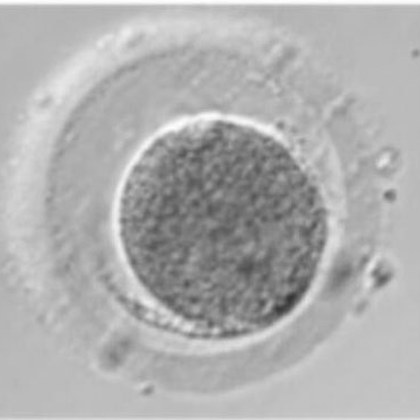
Atretic
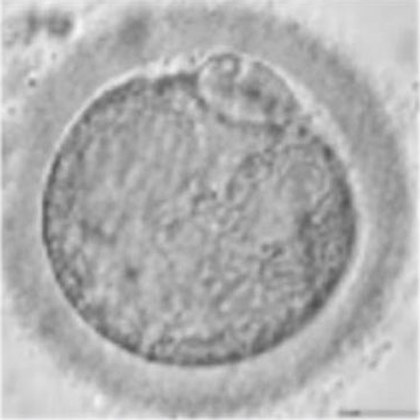
Granular cytoplasm
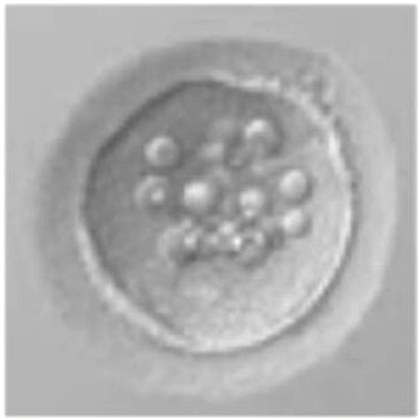
Vacuolated cytoplasm
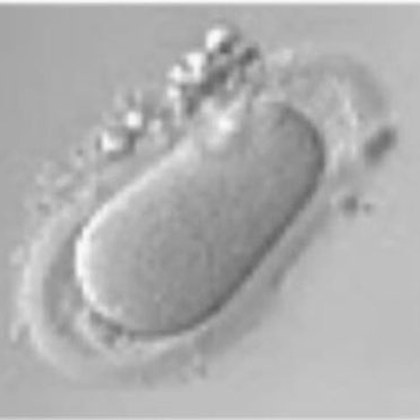
Ovoid
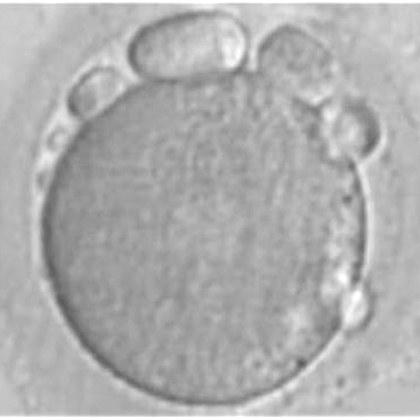
Multiple polar bodies
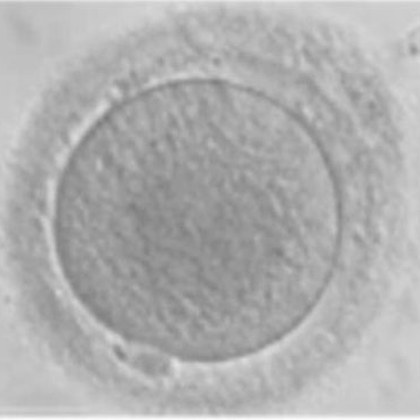
Thick zona pellucida
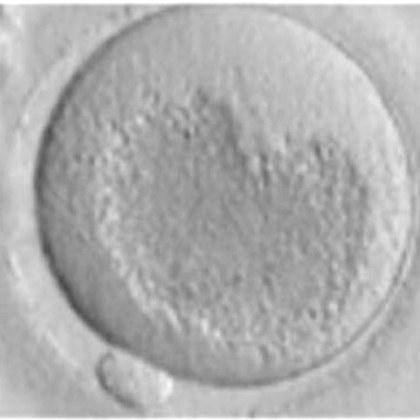
Visible endoplasmic reticulum
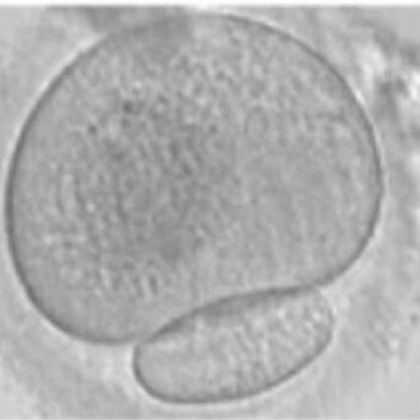
Giant polar body
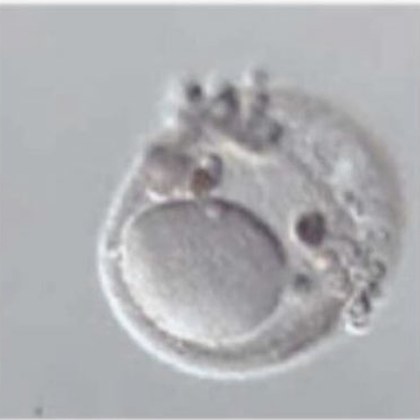
Septate zona pellucida
Scientific evidence



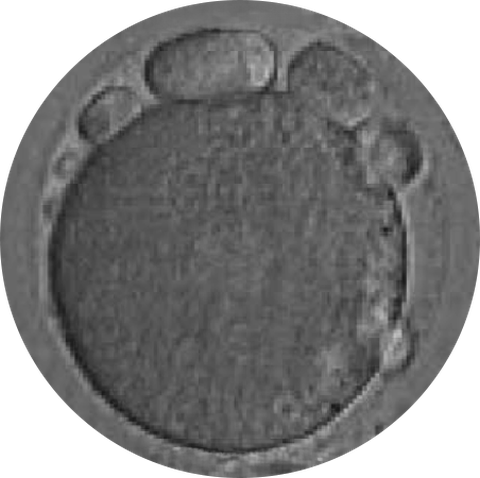
Poor egg quality
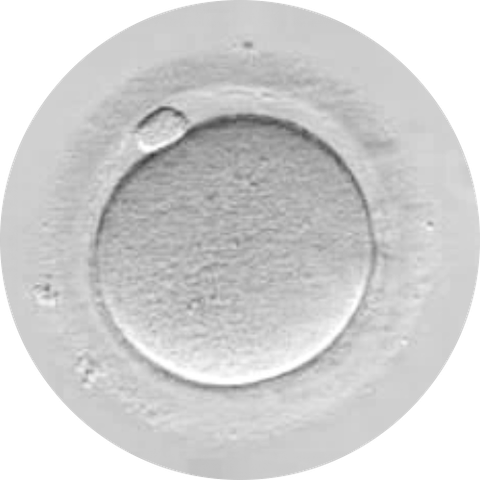
Restored egg
Studies with IVF MORE® have shown promising results in women of advanced age, with endometriosis or with PCOS:
- 3×more viable embryos than with non-restored eggs
- 70%of restored embryos came out viable
- 82 → 26%chromosomal abnormalities, close to young donor levels
- 19+babies born with this technology
Patients over 40 who previously could not produce viable embryos have achieved pregnancy with their own eggs.
These results come from the technique’s own case series. The technique is under development, protected by patent, and the articles supporting these findings are in the process of publication in peer-reviewed journals.
Motherhood at an advanced age is no longer a promise for the future.
IVF MORE® is not only an advance in regenerative medicine: it answers, concretely, the demographic and social shifts of the modern world. Backed by leading researchers such as Dr. Shoukhrat Mitalipov, it sets out to restore the potential of eggs and give more women the chance to be mothers with their own genetic material.
What to know before deciding
IVF MORE® requires at least one mature egg. If none is produced, even with stimulation, the technique cannot be applied. Some patients who have stopped menstruating can still produce an egg with ovarian stimulation; if that is your case, IVF MORE® remains an option.
In some cases, even when eggs are available, they may not be viable or may not respond adequately to restoration. When that happens, egg donation may be the most effective alternative for achieving a pregnancy.
For patients facing extremely low ovarian response, there is a complementary option: Ovagen, designed to reactivate ovarian function through growth factors and cellular regeneration where egg production is minimal.
If you have questions about whether IVF MORE® is right for you, our medical team can evaluate your case and help you find the option that best fits your needs.
Scientific sources14
- (2023). Potential factors result in diminished ovarian reserve: a comprehensive review. Journal of Ovarian Research.
- (2021). Oxidative stress in oocyte aging and female reproduction. Journal of Cellular Physiology.
- (2017). Large cytoplasm predisposes oocytes to meiotic errors. RIKEN CDB.
- (2015). Autologous Germline Mitochondrial Energy Transfer (AUGMENT) in Human Assisted Reproduction. Seminars in Reproductive Medicine.
- (2016). How a High-Gradient Magnetic Field Could Affect Cell Life. Scientific Reports (Nature).
- . Meet Shoukhrat Mitalipov, Ph.D., Center for Embryonic Cell and Gene Therapy. OHSU.
- (2013). The effect of endometriosis on in vitro fertilisation outcome: a systematic review and meta-analysis. BJOG.
- (2023). Endometriosis, Oocyte, and Embryo Quality. Journal of Clinical Medicine.
- (2016). Impact of endometriosis on in vitro fertilization outcomes: an evaluation of the SART database. Fertility and Sterility.
- (2019). Single-cell RNA sequencing of oocytes from ovarian endometriosis patients reveals a differential transcriptomic profile. Human Reproduction.
- (2007). Molecular abnormalities in oocytes from women with polycystic ovary syndrome revealed by microarray analysis. The Journal of Clinical Endocrinology & Metabolism.
- (2021). Molecular Features of Polycystic Ovary Syndrome Revealed by Transcriptome Analysis of Oocytes and Cumulus Cells. Frontiers in Cell and Developmental Biology.
- (2022). Live births per intended egg retrieval, national summary report. SART CORS.
- (2023). 1 in 6 people globally affected by infertility. WHO.
Next steps
Take the first step toward your baby with IVF MORE®
Our team is ready to support you every step of the way.