Endogen® and IVF MORE®: the pairing of egg restoration and uterine receptivity
A pregnancy needs an egg with enough energy and a uterus ready to receive it. How the two techniques combine, and who that combination is for.
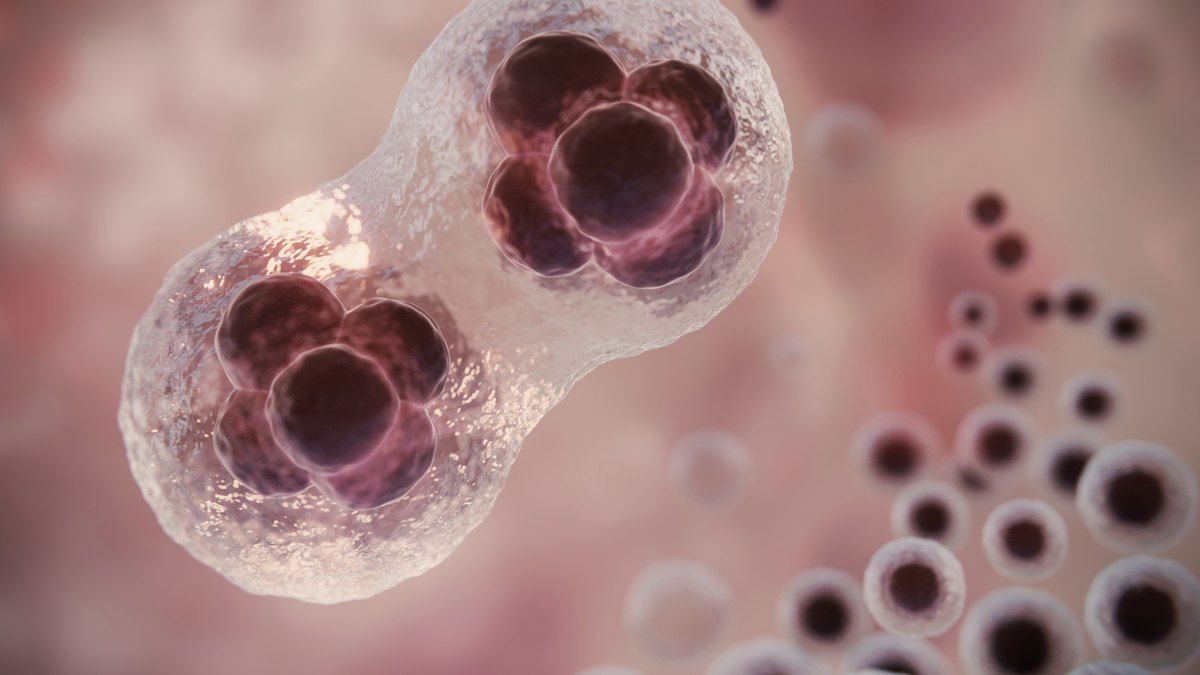
In the search for a pregnancy through assisted reproduction, attention tends to split between two protagonists: the quality of the embryo and the uterus’s ability to receive it. For years they have been treated almost in isolation, as though success depended on two independent events. Fertilisation and implantation, though, are part of one biological conversation.
For many patients who have been through unsuccessful cycles, the frustration comes from not understanding why, with apparently healthy embryos, pregnancy does not happen. Or the other way round: why the body does not produce eggs with enough energy to start the process.
A restored egg needs a uterus that is just as prepared.
An embryo with high potential is worth little if the endometrium is not ready to receive it. And a perfect endometrium does not make up for an embryo without the energy to implant.
What each one does
They are two techniques acting at different moments and on different tissue. It is worth not confusing them.
-
01
IVF MORE® works on the egg
Before fertilisation. Each oocyte's energy competence is measured, and the growth factors and energy components it lacks are infused, without touching the nucleus. Afterwards the embryo is cultured in magnetic fields that support the organisation of the cytoskeleton.2
-
02
ENDOGEN® works on the endometrium
Afterwards, before transfer. It uses growth factors and, in some cases, mesenchymal stem cells to improve the thickness, vascularisation and receptivity of the lining that will receive the embryo.1
Why combining them makes sense
Because they address the two ends of the same problem. A cycle can fail because of the egg, because of the endometrium, or both, and until they are looked at separately there is no telling which it was.
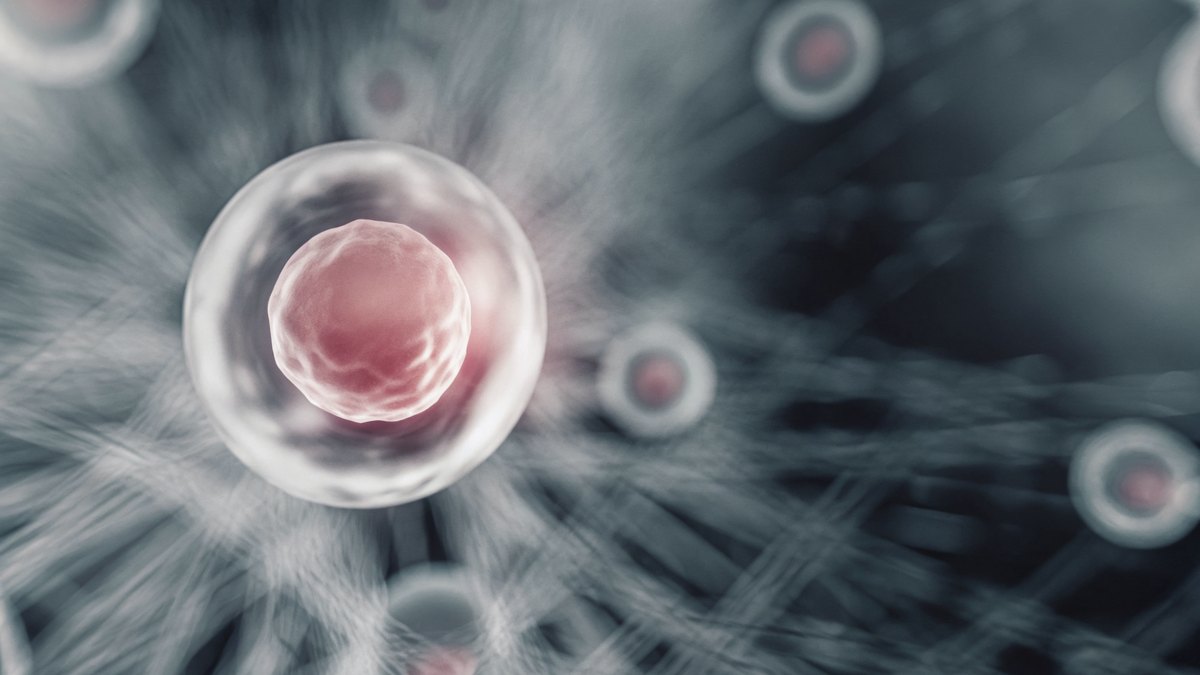
A well-perfused endometrium is rich in oxygen and nutrients, and that matters especially in the first weeks of embryo development. Combining the embryo’s capacity to divide with that perfusion reduces the likelihood of the pregnancy stopping early.
Who it is for
This combination is particularly relevant in cases conventional in vitro fertilisation has not resolved:
- Repeated implantation failure. Healthy embryos are transferred and pregnancy still does not happen.
- Poor embryo quality. Embryos stop developing before reaching blastocyst.
- Refractory endometrium. The necessary thickness is not reached despite hormonal treatment.
- Advanced maternal age, where egg quality and uterine receptivity may both be compromised at once.
- Endometriosis, which affects both oocyte quality and the uterine environment.3
What does not change
Neither one alters your genetic material. IVF MORE® works on the cytoplasm, where the cell keeps its energy; the nucleus stays out of the procedure. ENDOGEN® acts on your own endometrium, with factors derived from your blood.
And neither guarantees a pregnancy. Reproductive medicine works with probabilities. What changes is how many of the factors the technique can address are dealt with before transfer, rather than just one.
How restoration works, step by step · What the treatment costs
Scientific sources3
- (2024). Improvement of endometrial thickness and in vitro fertilization outcomes in patients with Asherman's refractory endometrium using autologous mesenchymal stem cells from the stromal vascular fraction. American Journal of Translational Research.
- (2016). How a High-Gradient Magnetic Field Could Affect Cell Life. Scientific Reports (Nature).
- (2013). The effect of endometriosis on in vitro fertilisation outcome: a systematic review and meta-analysis. BJOG.
Next steps
Take the first step toward your baby with IVF MORE®
Our team is ready to support you every step of the way.